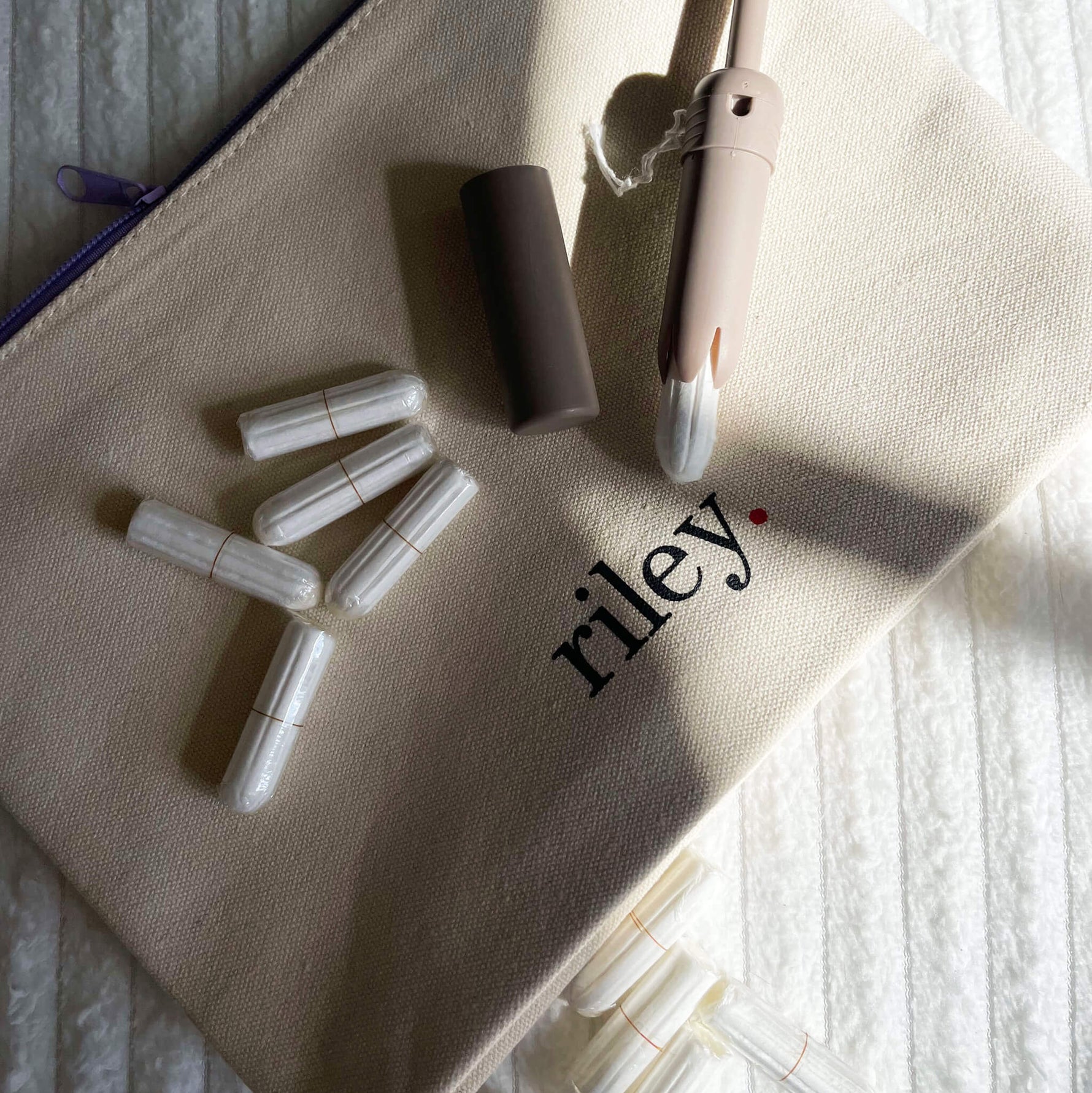
Say goodbye to single-use plastic with our patented Reusable Applicator.
Paired with our 100% certified organic cotton Naked Tampons. A match made in heaven.
3999
€39.99
Unit price/ per
One Time Purchase
Tampon Absorbency Level
Mixed
€39.99
0
Regular
€39.99
0
Super
€39.99
0
Ditch single-use plastic for good. Our patented Reusable Applicator, paired with 100% certified organic cotton Naked Tampons, is the perfect planet-friendly duo for your cycle.
Bundle includes 1 x Reusable Applicator, 1 x Canvas Storage Pouch & 2 Naked Tampon boxes with absorbency of your choice.
Did you know that your tampon should always be soaked in blood when removed?
It's so important to use the right absorbency to suit your flow. Everyone's period flow changes throughout their menstrual phase. Here's a full breakdown of when to use each absorbency and remember to change your tampon frequently (we recommend every 3-4 hours):
Regular Absorbency:
🩸🩸 6-9 grams
Can be used for medium flow periods or in the middle of menstruation
Super Absorbency:
🩸🩸🩸 9-12 grams
Can be used for heavy flow periods or at the beginning of menstruation
Free shipping over €50 or £45
Once your order is packed up and on its way, we’ll send you a tracking link so you can keep an eye on things. Depending on where you're based, our shipping times can vary:
Made from 100% organic cotton, these are biodegradable. However, for hygiene reasons, we recommend wrapping used tampons in tissue or their biodegradable wrapper and disposing of them in the general waste bin. They should never be flushed, as they can cause blockages and harm marine life.
Tampon Wrapper:
Made from NatureFlex biodegradable cellophane, this can go in your compost binifindustrial composting is available locally. Otherwise, dispose of it in general waste, where it will still break down safely.
Reusable Applicator:
When it’s time to part ways after 2 years of use, the applicator should be placed in general waste. It’s not currently recyclable through household systems due to the specialist material. However, using just one reusable applicator in place of 200 single-use ones makes a significant impact.
Small changes, big difference.
For more information on how to dispose of Riley products, read our blog article here.
Your bundle includes:
1 x Reusable Applicator 2 x Naked Tampon Pouches (24 tampons) 1 x Canvas Storage Pouch
At Riley, we're committed to fighting against period poverty by donating products to those in need, sponsoring doctor-led menstrual health programs and partnering with charities that support vulnerable communities.
1% of every purchase helps us provide dignified, sustainable period care to people who might otherwise go without.
Step 1:
Load It Up
Unwrap a Naked Tampon and insert it gently into the open end of your reusable applicator. Ensure the string is hanging out of the string slot.
Step 2:
Position & Insert
Hold the bottom of the outer tube, position the tip of the applicator at your vaginal opening and gently insert.
Step 3:
Push & Remove
Once the outer tube is fully inserted, use the pusher to release the tampon. Then gently remove the applicator.
Step 4:
Remove & Reuse
Rinse your applicator with warm water, let it dry and it’s ready to use again next time.
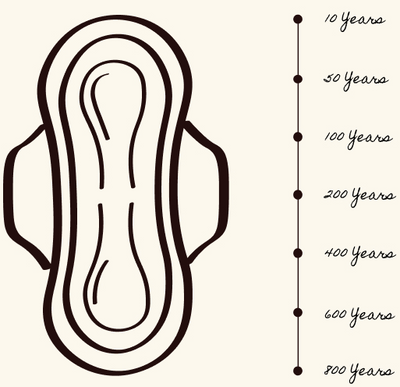
Every mainstream sanitary pad you ever used still exists.
Period Products That Don’t Outlive You.
Period products are the fifth most common single-use plastic in Europe’s beaches, ranking higher than straws and coffee cups. Unlike microplastics, pads, which are made up of 90% plastic and live on our planet for 600 years, are not compostable meaning they won’t end up in landfill.
Did you know?
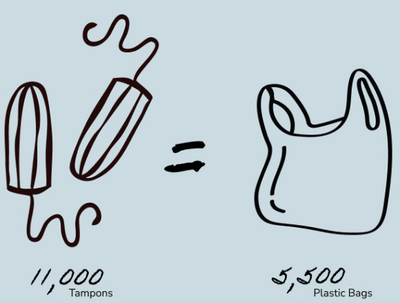
The average person uses 11,000 mainstream tampons in their lifetime? That’s the equivalent of 5,500 plastic bags!
Your first period is a big moment and a completely normal one. From when to expect it and the signs it's coming, to choosing products, handling cramps and busting the myths, here's a friendly, reassuring guide to everything you need to know.
The period aisle is full of vague promises. Here's exactly what sets Riley apart. Think 100% certified organic cotton, total transparency, and proudly female-founded B Corp roots. Discover everything we leave out and why we're nothing like mainstream period care.
Period late and spiralling? Pregnancy is far from the only explanation. From stress and travel to weight changes, exercise, PCOS and thyroid issues. Here are the real reasons your period goes missing, what to do about it, and when it's worth seeing a doctor.
While on your period, simply rinse with warm water (and a mild soap if you'd like), dry and pop the storage cap on until you need to insert a new tampon.
When your period is finished, you'll need to clean your Reusable Applicator in boiling water.
IMPORTANT: Don't place the storage cap in boiling water. This can be cleaned using warm water and soap.
The applicator & pusher are made of a medical grade material called thermoplastic elastomer. It's also:
BPA-free
Latex-free
Phthalate-free
If taken cared of, our Reusable Applicator can be used for at least 200 uses (saving 200 disposable applicators from ending up in landfill).
No, our tampons do not contain any artificial absorbents. They’re made with 100% organic cotton; no synthetic materials, no fragrance, and no nasties.
Just natural, breathable protection.
As a B Corp, we’re part of a global community of businesses that meet incredibly high standards of social and environmental impact. It means we’re officially recognised for doing business the right way; by putting people and our planet first It means we’re serious about doing business the right way.
And most importantly, it means you can feel even better about choosing Riley for your period care.
Toxic Shock Syndrome (TSS) is caused by a reaction of blood and bacteria so while it can happen when a tampon is left in too long, it can also occur with any period product, including pads and reusable products like a menstrual cup and reusable pads. Something else that isn't widely known is that it can actually happen to men, women and children, so it can affect anyone.
We take all necessary precautions to make sure our products are top quality and are made without chlorine bleach, glues, pesticides or any other harmful chemicals like other mainstream brands. However, we unfortunately cannot guarantee that TSS will not occur due to it being a result of a bacterial infection from the blood.
Everyone needs to be extremely careful when it comes to TSS and we should be changing our period products every 3-4 hours.